
更新日 2025.10.08 | 08 October 2025
展示中 常設展 | Permanent collection




展示中
Paolo Veronese (Paolo Caliari)
Verona, 1528 - Venice, 1588
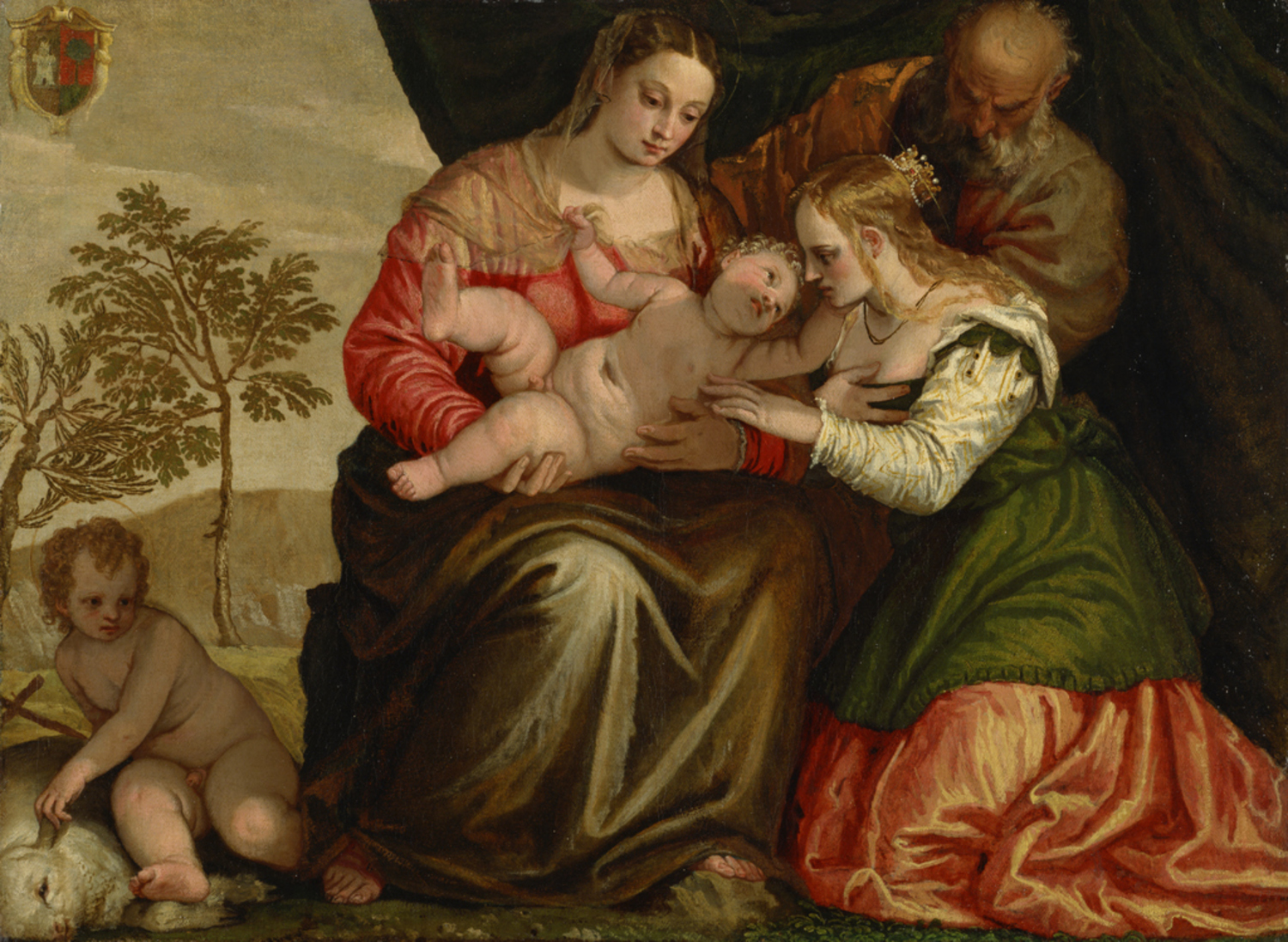
聖カタリナの神秘の結婚 The Mystic Marriage of St. Catherine
| 制作年 | 1547年頃 |
|---|---|
| 材質・技法・形状 | 油彩、カンヴァス |
| 寸法(cm) | 84 x 100 |
| Standard ref. | Pignatti/Pedrocco 13 |
| 分類 | 絵画 |
| 所蔵番号 | P.1994-0001 |
この作品は、聖女カタリナの神秘の結婚を主題としながら描かれた結婚記念画です。高貴な家柄に生まれたカタリナはキリスト教を信仰するようになり、あるときキリストとの結婚を幻で見たという物語がこの作品の主題です。一方で作品左上の紋章は、ヴェローナの貴族デッラ・トッレ家(紋章の左半分の塔)と、ピンデモンテ家(紋章の右半分の山に松)とが組み合わされていることから、1547年に両家との間に結ばれた結婚を記念して描かれたことが分かります。ヴェロネーゼが生まれ故郷ヴェローナで活躍していた20歳頃の作例としても、またルネサンスの理想の女性像としてのカタリナを主題とした作例としても重要な意味を担っている作品です。(出典: 展示室作品解説パネル)
来歴
Private Collection, Switzerland; Purchased by the NMWA, 1995.
展覧会歴
- 1999
- エルミタージュ美術館所蔵イタリア・ルネサンス美術展─フィレンツェとヴェネツィア: 開館40周年記念特別展, 国立西洋美術館, 1999年3月20日-1999年6月20日, cat. no. 53
- 2017
- [平成29年度国立美術館巡回展]国立西洋美術館所蔵 ミューズ(芸術の女神):まなざしの先の女性たち, 福島県立美術館, 2017年4月22日-2017年7月2日, 秋田県立近代美術館, 7月15日-9月18日, cat. no. 10
- 2021
- 山形で考える西洋美術|高岡で考える西洋美術—「ここ」と「遠く」が触れるとき, 山形美術館, 2021年7月17日-2021年8月27日, 高岡市美術館, 2021年9月10日-10月24日, cat. no. Y2_16 | T2_17
文献歴
- 1988
- Rearick, W. R. The Art of Paolo Veronese (exh. cat.), Washington D. C., 1988, p. 34, (mentioned under no. 6, as Giambattista Zelotti).
- 1991
- Pignatti, T.; Pedrocco, F. Veronese: Catalogo completo dei dipinti. Firenze, 1991, p. 33, no. 13.
- 1995
- Pignatti, T.; Pedrocco, F. Veronese. Milano, 1995, no. 12.
- 1995
- Gisolfi, D. A New Early Veronese in Tokyo. The Burlington Magazine. vol. 137, no. 1112, Nov. 1995, pp. 742-746.
- 1997
- 国立西洋美術館年報. Nos. 29-30 (April 1994-March 1996), 1997, 越川倫明. 新収作品. pp. 9-11, 新収作品一覧. p. 37, col. repr.
- 2006
- 国立西洋美術館名作選. 東京, 国立西洋美術館; 東京, 西洋美術振興財団, 2006, no. 19, col. repr.
- 2009
- Masterpieces of The National Museum of Western Art, Tokyo. Tokyo, The National Museum of Western Art; Tokyo, The Western Art Foundation, 2009, no. 19, col. repr.
- 2013
- Zamperini, Alessandra. Paolo Veronese. Verona, Arsenale Editrice, 2013, pp. 22-23.
- 2013
- 国立西洋美術館名作選. 東京, 西洋美術振興財団, 2013, no. 19, col. repr.
- 2017
- 芸術の女神ミューズ:まなざしの先の女性たち:国立西洋美術館所蔵:平成29年度国立美術館巡回展 (exh. cat.). 中田明日佳責任編集. 東京, 国立西洋美術館, 2017, pp. 32, 138, cat. no. 10, col. repr.
- 2021
- 山形で考える西洋美術|高岡で考える西洋美術—「ここ」と「遠く」が触れるとき (exh. cat.). 新藤淳責任編集. 東京, 国立西洋美術館, 2021, pp. 71, 177, cat. no. Y2_16 | T2_17, col. repr.
On Display
The Mystic Marriage of St. Catherine
| Date | c. 1547 |
|---|---|
| Materials and Techniques | oil on canvas |
| Size(cm) | 84 x 100 |
| Credit Line | Purchased |
| Standard ref. | Pignatti/Pedrocco 13 |
| Category | Paintings |
| Collection Number | P.1994-0001 |
This painting is an early work by Paolo Veronese undertaken in his birthplace of Verona, Italy. The subject is the "mystical marriage" between Christ and St. Catherine of Alexandria. The seated figure is the Virgin Mary holding the Infant Jesus in her arms. St. Catherine is shown kneeling at the right. In the upper left-hand corner of the painting, you will not ice an emblem, which combines the crests of two powerful aristocratic families. It suggests this work was undertaken to commemorate a marriage that joined the two families in 1547. (Source: Gallery label, July 2016)
Provenance
Private Collection, Switzerland; Purchased by the NMWA, 1995.
Exhibition History
- 1999
- Florence and Venice: Italian Renaissance Paintings and Sculpture from the State Hermitage Museum, National Museum of Western Art, Tokyo, 20 March 1999 - 20 June 1999, cat. no. 53
- 2017
- [Traveling Exhibitions Presenting National Art Museum Collections, Fiscal 2017] Muse: Women before the Artists' Eyes: From the Collection of the National Museum of Western Art, Tokyo, Fukushima Prefectural Museum of Art, 22 April 2017 - 2 July 2017, Akita Museum of Modern Art, 15 July-18 September, cat. no. 10
- 2021
- National Touring Exhibition of Western Art from the NMWA: When Here and Afar Meet: Western Art in Yamagata / Western Art in Takaoka, Yamagata Museum of Art, 17 July 2021 - 27 August 2021, Takaoka Art Museum, 10 September-24 October 2021, cat. no. Y2_16 | T2_17
Bibliography
- 1988
- Rearick, W. R. The Art of Paolo Veronese (exh. cat.), Washington D. C., 1988, p. 34, (mentioned under no. 6, as Giambattista Zelotti).
- 1991
- Pignatti, T.; Pedrocco, F. Veronese: Catalogo completo dei dipinti. Firenze, 1991, p. 33, no. 13.
- 1995
- Pignatti, T.; Pedrocco, F. Veronese. Milano, 1995, no. 12.
- 1995
- Gisolfi, D. A New Early Veronese in Tokyo. The Burlington Magazine. vol. 137, no. 1112, Nov. 1995, pp. 742-746.
- 1997
- Annual bulletin of the National Museum of Western Art. Nos. 29-30 (April 1994-March 1996), 1997, . New Acquisitions. pp. 9-11, List of New Acquisitions. p. 37, col.repr.
- 2006
- Masterpieces of The National Museum of Western Art, Tokyo. Tokyo, The National Museum of Western Art; Tokyo, The Western Art Foundation, 2006 (Japanese, preface in Japanese and English), no. 19, col. repr.
- 2009
- Masterpieces of The National Museum of Western Art, Tokyo. Tokyo, The National Museum of Western Art; Tokyo, The Western Art Foundation, 2009, no. 19, col. repr.
- 2013
- Zamperini, Alessandra. Paolo Veronese. Verona, Arsenale Editrice, 2013, pp. 22-23.
- 2013
- Masterpieces: The National Museum of Western Art, Tokyo. Tokyo, The Western Art Foundation, 2013 (Japanese, preface in Japanese and English), no. 19, col. repr.
- 2017
- Muse: Women before the Artists' Eyes: from the Collection of the National Museum of Western Art, Tokyo: Traveling Exhibitions Presenting National Art Museum Collections, Fiscal 2017 (exh. cat.). Nakada, Asuka, ed. Tokyo, The National Museum of Western Art, Tokyo, 2017, pp. 32, 138, cat. no. 10, col. repr.
- 2021
- When Here and Afar Meet: Western Art in Yamagata/Western Art in Takaoka (exh. cat.). Shinfuji, Atsushi, ed. Tokyo, The National Museum of Western Art, Tokyo, 2021, pp. 71, 177, cat. no. Y2_16 | T2_17, col. repr.